

Introduction: Why Material Choice Matters in Modern Bathroom Construction
In bathroom construction, material selection directly affects durability, maintenance requirements, installation efficiency, and long-term performance.
For decades, traditional materials such as ceramic tile, acrylic, and fiberglass have been widely used in shower and bathroom applications. However, as construction projects demand higher quality consistency, faster installation, and better long-term reliability, engineered composite materials are gaining more attention.
One material increasingly used in bathroom applications is SMC — Sheet Molding Compound.
But what exactly is SMC material? Why is it used for bathroom wall panels and shower systems? And what advantages does it offer compared with traditional materials?
This guide explains everything developers, builders, and contractors need to know about SMC materials.
What Is SMC Material?
SMC stands for Sheet Molding Compound, a high-performance composite material made from a combination of:
-
Resin
-
Glass fibers
-
Mineral fillers
-
Additives
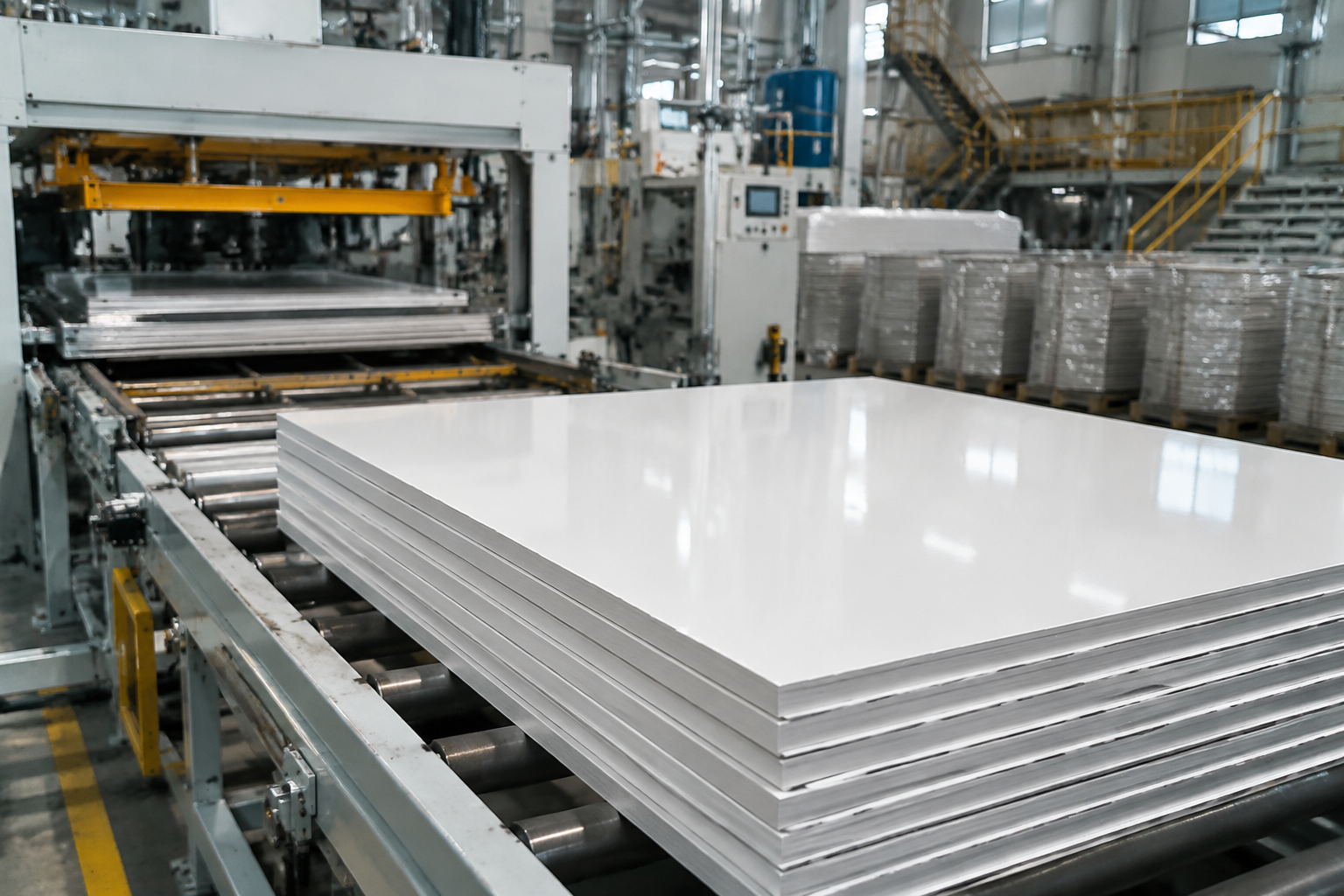
These materials are combined into a sheet-like compound and then formed under high pressure and controlled temperatures through a compression molding process.
Unlike traditional plastic materials, SMC is an engineered composite designed to provide enhanced strength, durability, and dimensional stability.
Because of these properties, SMC is widely used in industries that require reliable performance, including automotive components, electrical equipment, industrial products, and increasingly, bathroom construction applications.
How Is SMC Manufactured?
The manufacturing process of SMC allows manufacturers to create consistent, high-quality components.
The basic process includes:
1. Material Preparation
Resin, reinforcement fibers, fillers, and additives are carefully mixed to create the SMC compound.
2. Sheet Formation
The compound is processed into uniform sheets with controlled thickness and composition.
3. Compression Molding
The SMC sheets are placed into molds and compressed under high pressure and temperature to create the final product shape.
This controlled manufacturing process helps ensure consistent quality, precise dimensions, and reliable performance across large production volumes.
Why Is SMC Used in Bathroom Applications?
Bathrooms are one of the most demanding environments in a building. Materials must constantly withstand moisture, temperature changes, daily use, and cleaning requirements.
SMC offers several advantages that make it suitable for shower wall panels and bathroom systems.
1. Excellent Water Resistance
One of the most important requirements for bathroom materials is moisture resistance.
SMC has a dense, non-porous structure that helps prevent water absorption and provides reliable performance in wet environments.
For shower applications, this helps create a durable surface that supports long-term water resistance and easier maintenance.
2. Strong and Durable Composite Structure
Compared with standard plastic materials, SMC benefits from reinforced composite technology.
The combination of resin and glass fibers provides:
-
High strength
-
Impact resistance
-
Structural stability
-
Resistance to deformation
This makes SMC suitable for applications where durability and long-term performance are critical.
3. Consistent Quality for Large Construction Projects
For multifamily, hospitality, and commercial construction projects, consistency is essential.
Traditional on-site construction methods can result in variations caused by different installers, techniques, and working conditions.
Because SMC products are manufactured in a controlled factory environment, each component can maintain consistent:
-
Dimensions
-
Surface quality
-
Performance characteristics
This helps construction teams achieve more predictable project outcomes.
4. Low Maintenance Requirements
Bathroom maintenance is an important consideration for property owners and developers.
Traditional tile installations often require ongoing attention due to grout lines, sealing, and potential repairs.
SMC bathroom surfaces are designed with fewer maintenance concerns, offering:
-
Easier cleaning
-
Reduced grout-related issues
-
Long-lasting appearance
For commercial and multifamily projects, lower maintenance requirements can contribute to better lifecycle value.
SMC vs Traditional Bathroom Materials
Different bathroom materials have different characteristics.
| Material | Advantages | Common Challenges |
|---|---|---|
| Ceramic Tile | Wide design options, traditional appearance | More installation steps, grout maintenance |
| Acrylic | Lightweight, affordable | Lower impact resistance compared with composites |
| Fiberglass | Cost-effective | Limited durability and design options |
| SMC | Strong, durable, moisture-resistant, consistent quality | Requires specialized manufacturing |
For large-scale construction projects, material selection is not only about appearance. Developers must also consider installation reliability, durability, and long-term performance.
Why Are More Builders Considering SMC Bathroom Solutions?
Construction projects today face increasing pressure to improve efficiency while maintaining quality.
Developers and contractors are looking for materials that can help achieve:
-
More predictable installation
-
Consistent project quality
-
Reduced maintenance requirements
-
Long-term durability
SMC provides an engineered approach to bathroom construction by combining material performance with controlled manufacturing.
For shower wall panels and bathroom systems, SMC represents a shift from traditional material choices toward more reliable construction solutions.
Conclusion: SMC Is More Than Just a Bathroom Material
SMC (Sheet Molding Compound) is an advanced composite material designed for strength, durability, and consistent performance.
In bathroom applications, its water resistance, structural stability, and low-maintenance characteristics make it a valuable choice for modern construction projects.
As developers and builders continue to search for more reliable bathroom solutions, engineered materials like SMC are becoming an important part of the future of bathroom construction.
Choosing the right material is not only about building a better bathroom — it is about creating a more predictable and durable construction process.
Share:
5 Key Factors to Consider When Choosing a Bathroom System Supplier!
Shower Wall Panels vs Tile: Which Is Better for Commercial Bathroom Projects?