

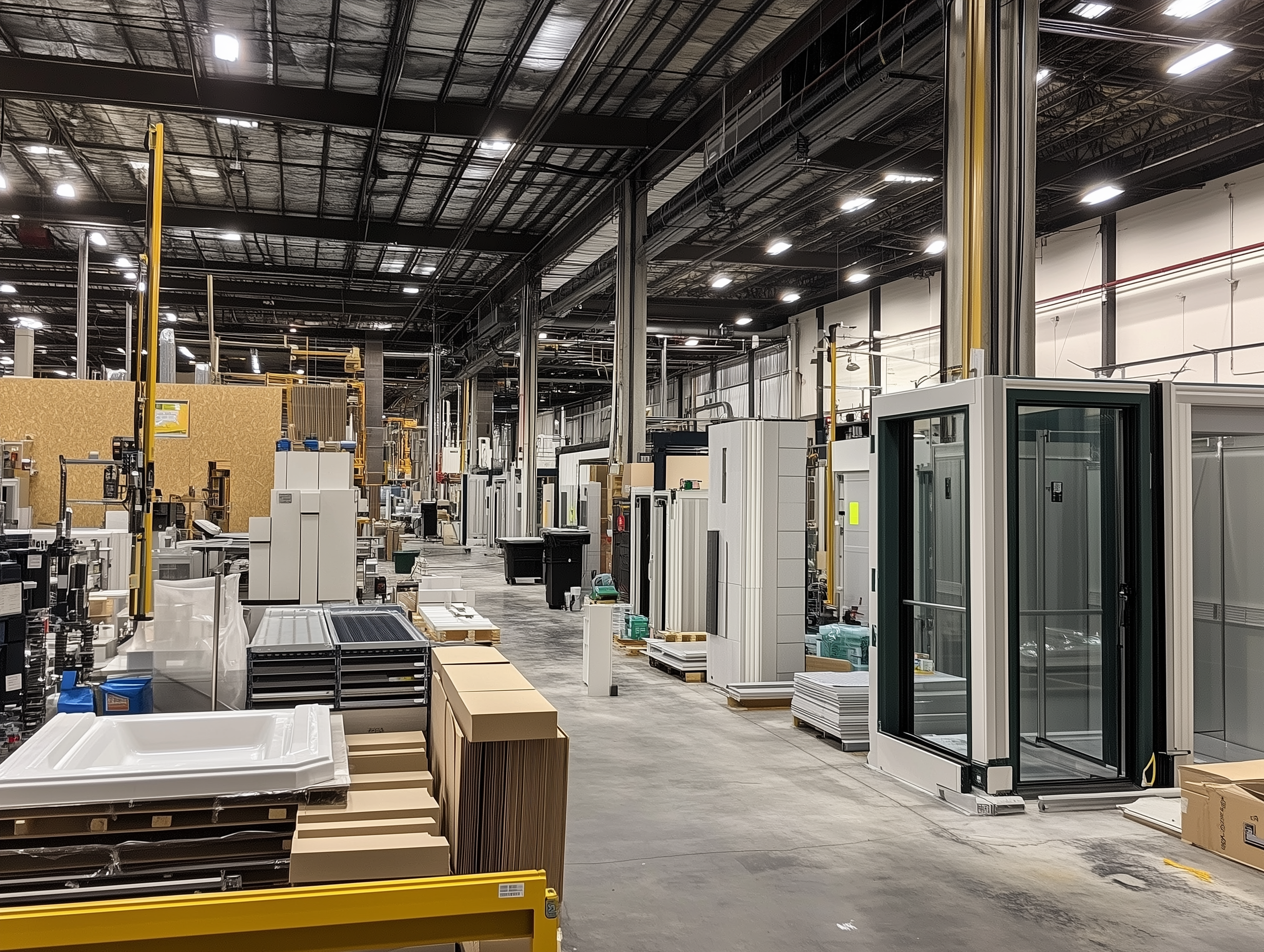
Introduction: Material Selection Can Determine Bathroom Project Performance
Choosing the right bathroom material is not only a design decision. For construction projects, material selection affects:
-
Installation time
-
Labor requirements
-
Maintenance costs
-
Long-term durability
-
Project consistency
Traditional materials such as ceramic tile, acrylic, fiberglass, and natural stone have been widely used for decades. However, as construction projects become more focused on efficiency and long-term performance, engineered materials like SMC are becoming an alternative option.
This guide compares SMC with traditional bathroom materials to help contractors, builders, and developers understand the key differences before selecting materials for their next project.
Bathroom Materials Comparison: SMC vs Traditional Options
| Material | Common Applications | Main Advantages | Common Challenges |
|---|---|---|---|
| Ceramic Tile | Residential & commercial bathrooms | Unlimited design options, familiar installation process | Labor intensive, grout maintenance, installation variability |
| Acrylic | Shower surrounds, bathtubs | Lightweight, affordable, easy cleaning | Lower impact resistance, potential surface damage |
| Fiberglass | Entry-level shower units | Low cost, lightweight | Less durable, can fade or crack over time |
| Natural Stone | Luxury bathrooms | Premium appearance, unique designs | High cost, heavy installation, sealing requirements |
| SMC Composite | Shower panels, shower bases, bathroom systems | Engineered performance, moisture resistance, installation efficiency | Less suitable for highly customized artistic designs |
1. SMC vs Ceramic Tile: Installation Efficiency vs Traditional Craftsmanship
Ceramic tile remains one of the most common bathroom materials because of its design flexibility.
However, tile installation involves multiple construction steps:
-
Surface preparation
-
Waterproofing
-
Tile cutting
-
Adhesive application
-
Grouting
-
Sealing
For large-scale construction projects, these steps create additional labor requirements and longer installation schedules.
SMC bathroom panels provide a different approach.
Instead of assembling many individual pieces on-site, SMC panels are manufactured as engineered components designed for faster installation.
For projects such as:
-
Multifamily housing
-
Hotels
-
Student housing
-
Healthcare facilities
reducing installation complexity can help contractors improve project efficiency.
Key Difference:
Tile focuses on design flexibility, while SMC focuses on installation efficiency and consistent performance.
2. SMC vs Acrylic: Beyond Surface Appearance
Acrylic is widely used in bathroom applications because it offers:
-
Smooth appearance
-
Lightweight construction
-
Easy cleaning
However, acrylic performance depends heavily on product thickness, reinforcement, and installation quality.
Potential concerns include:
-
Surface scratches
-
Impact damage
-
Lower structural strength in some applications
SMC is a reinforced composite material engineered for stronger structural performance.
Compared with acrylic, SMC typically provides:
-
Higher rigidity
-
Better impact resistance
-
More stable long-term performance
For high-use environments, material strength becomes an important consideration.
Key Difference:
Acrylic is often selected for affordability and appearance, while SMC is selected when structural performance and durability are priorities.
3. SMC vs Fiberglass: Durability for Long-Term Projects
Fiberglass has traditionally been popular because it is:
-
Affordable
-
Lightweight
-
Easy to manufacture
However, fiberglass products may have limitations in demanding environments.
Over time, common concerns include:
-
Surface wear
-
Cracking
-
Color changes
-
Reduced appearance quality
SMC composite materials are manufactured through a controlled molding process, creating a dense and consistent structure.
For commercial and multi-unit projects, consistency across hundreds of bathrooms can be a major advantage.
Key Difference:
Fiberglass is often chosen for initial cost savings, while SMC supports projects where long-term performance matters.
4. SMC vs Natural Stone: Luxury Appearance vs Practical Construction Needs
Natural stone creates a premium bathroom appearance and is often used in luxury projects.
However, stone installation comes with challenges:
-
Heavy material handling
-
Higher transportation costs
-
Skilled installation requirements
-
Regular sealing maintenance
For large construction projects, these factors can increase complexity.
SMC panels can provide modern surface designs while offering easier handling and installation.
Key Difference:
Natural stone delivers unique luxury aesthetics, while SMC provides engineered consistency for scalable construction.
5. The Hidden Cost Difference: Installation and Maintenance
When selecting bathroom materials, the initial material price is only one part of the total project cost.
Construction teams should also consider:
Labor Cost
How much skilled labor is required?
Installation Time
How many steps are needed before completion?
Maintenance Requirements
Will the material require frequent repairs?
Replacement Risk
How does the material perform after years of use?
A material with a higher upfront cost may provide better project value if it reduces installation time and future maintenance.
Which Bathroom Material Is Best for Construction Projects?
There is no single material that fits every project.
The right choice depends on project priorities.
Choose Ceramic Tile When:
-
Design customization is the top priority
-
Installation time is less critical
-
Skilled installers are available
Choose Acrylic When:
-
Budget is a major consideration
-
Lightweight solutions are preferred
-
The application has moderate usage
Choose Fiberglass When:
-
Low initial cost is the main objective
-
Short-term applications are acceptable
Choose Natural Stone When:
-
Premium appearance is the priority
-
Budget and installation complexity are less restrictive
Choose SMC When:
-
Installation efficiency matters
-
Consistent quality is required
-
Long-term performance is important
-
Multiple bathroom units need to be completed
Why Are More Construction Professionals Evaluating Engineered Bathroom Materials?
The construction industry is changing.
Labor shortages, compressed schedules, and increasing expectations for building performance are pushing companies to reconsider traditional construction methods.
Engineered materials like SMC provide a balance between:
-
Performance
-
Installation efficiency
-
Durability
-
Project scalability
For contractors and developers managing large bathroom projects, material selection is becoming a strategic decision rather than simply a design choice.
Frequently Asked Questions
What is the difference between SMC and traditional bathroom materials?
SMC is an engineered composite material designed for consistent performance and efficient installation, while traditional materials often rely more heavily on on-site craftsmanship and multiple installation processes.
Is SMC better than tile for commercial bathrooms?
SMC can be a better choice for commercial bathrooms when installation speed, consistency, and maintenance efficiency are priorities. Tile may remain preferable when maximum design customization is required.
Which shower wall material lasts the longest?
The lifespan of a shower wall depends on material quality, installation, and maintenance. Engineered composite materials like SMC are designed to provide stable performance in wet environments.
Why are builders looking beyond traditional bathroom materials?
Builders are increasingly evaluating alternatives because of labor challenges, project timelines, and the need to reduce long-term maintenance costs.
Conclusion: Choosing Materials Based on Project Goals
Bathroom material selection is no longer only about appearance.
For modern construction projects, the best material must also support:
✔ Faster installation
✔ Reliable performance
✔ Lower maintenance demands
✔ Consistent project results
While traditional materials continue to have their place, engineered solutions such as SMC are providing construction professionals with a new option for efficient and durable bathroom development.
Share:
Shower Wall Panels vs Tile: Which Is Better for Commercial Bathroom Projects?
How Engineered Bathroom Solutions Help Improve Project Efficiency