

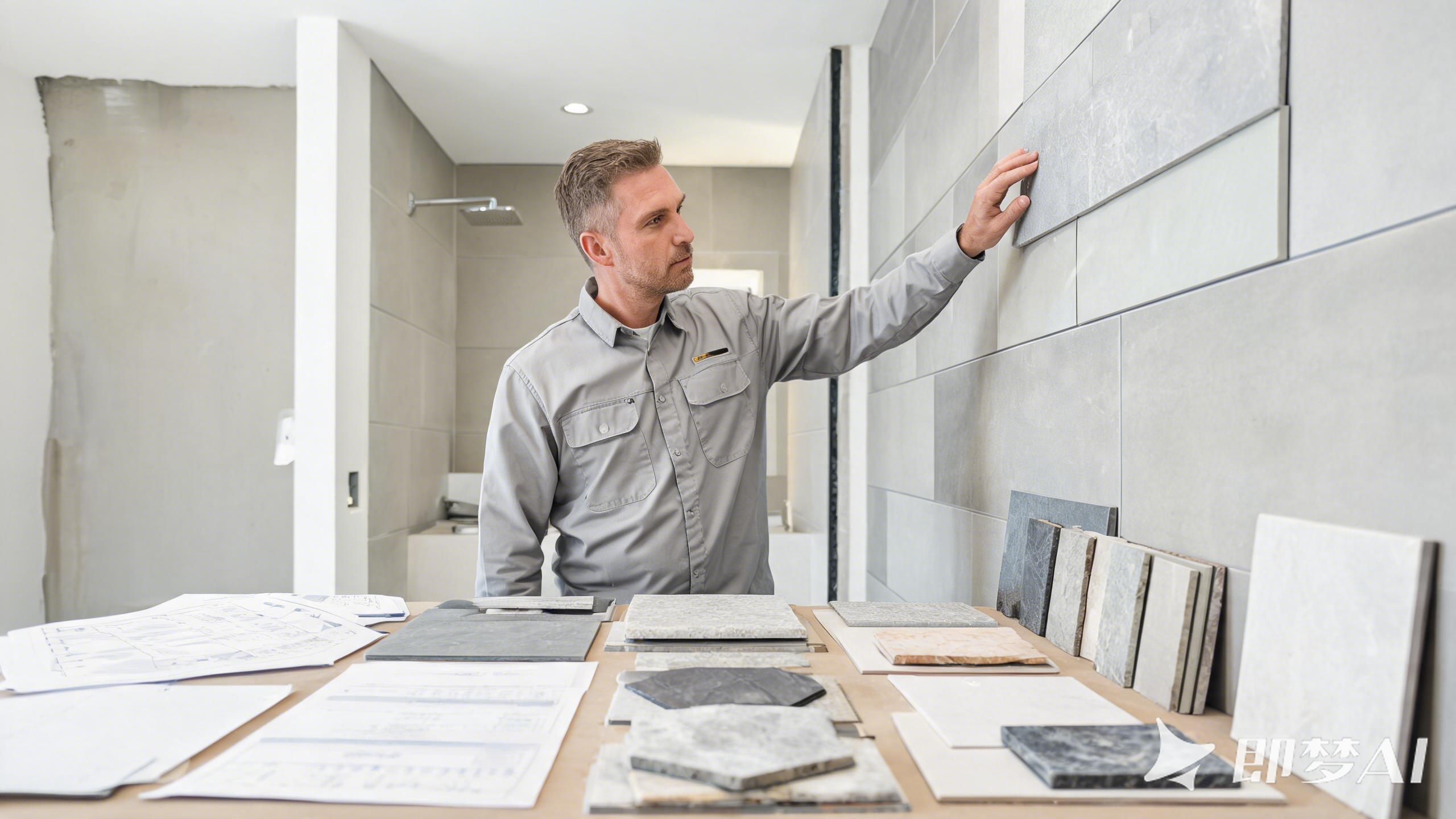
Introduction
At the beginning of a project, many material choices are made based on design requirements, availability, and project specifications. However, bathroom environments create unique challenges that require materials to deliver reliable performance over time.
Constant exposure to moisture, humidity, cleaning chemicals, and daily use can test the durability of any bathroom surface. A material that performs well in a showroom or at the time of installation may not always provide the same level of performance after years of use.
This is why contractors need to look beyond appearance and consider the actual performance of bathroom materials before making a selection.
Factors such as moisture resistance, mold resistance, fire performance, durability, color stability, and verified testing information can help determine whether a material is suitable for long-term bathroom applications.
In this article, we will discuss five common mistakes contractors make when selecting bathroom materials and what to consider when evaluating material performance.
Choosing Materials Without Evaluating Waterproof and Moisture Resistance
Bathrooms, especially shower areas, are constantly exposed to water and humidity.
One common mistake is assuming that a material suitable for bathroom use will automatically provide long-term moisture performance.
However, different materials have different levels of water resistance. Contractors should understand how a product performs under continuous exposure to wet conditions.
Important factors to evaluate include:
-
Water resistance performance
-
Moisture absorption characteristics
-
Surface protection
-
Long-term performance in wet environments
-
Manufacturer testing data
A suitable bathroom material should maintain its structural and surface performance even after repeated exposure to moisture.
Ignoring Mold Resistance and Hygiene Performance
High humidity environments can create conditions where mold and mildew become concerns.
For bathrooms in residential, hospitality, healthcare, and multifamily projects, material hygiene performance is an important consideration.
Contractors should evaluate whether a material:
-
Helps resist moisture-related deterioration
-
Provides a surface that is easy to clean
-
Maintains performance in humid environments
-
Has supporting performance information
Materials designed for wet areas should not only withstand water exposure but also support long-term cleanliness and easier maintenance.
Selecting Materials Without Reviewing Fire Performance and Testing Reports
Safety requirements are an important part of many construction projects.
Depending on the building type and project specifications, bathroom materials may need to meet specific fire performance requirements.
Contractors should review available technical information, including:
-
Fire classification
-
Smoke performance
-
Flame behavior
-
Relevant testing standards
Verified testing reports allow project teams to better understand how a material performs under specific conditions.
Instead of relying only on product descriptions, contractors should review actual test data when evaluating material performance.
Overlooking Durability and Color Stability
A bathroom material should maintain both its performance and appearance throughout its expected service life.
Daily exposure to cleaning products, moisture, and regular use can affect the surface performance of some materials over time.
When evaluating durability, contractors should consider:
-
Scratch resistance
-
Wear resistance
-
Chemical resistance
-
Surface durability
-
Long-term color stability
Color is not only a design choice — it is also a measure of how well a material maintains its appearance over time.
Materials with strong color stability can help ensure that bathroom spaces continue to look consistent years after installation.
Choosing Materials Without Reviewing Complete Technical Information
A product sample alone cannot provide a complete understanding of material performance.
For construction projects, contractors should review technical documentation to confirm whether a material meets project expectations.
Important information may include:
-
Material specifications
-
Performance test reports
-
Fire testing documentation
-
Water resistance data
-
Warranty information
-
Maintenance recommendations
Reliable documentation helps contractors make better decisions and ensures that the selected material is supported by verified performance information.
How Kostone Supports Construction Projects
With over 40 years of manufacturing experience, Kostone specializes in developing engineered bathroom solutions for North American construction projects, including SMC wall panels and shower bases.
With our own manufacturing facilities, we maintain control over material development and production quality while continuously improving product performance.
Kostone products are supported by various performance tests and technical documentation covering areas such as:
-
Fire performance
-
Material safety
-
Durability
-
Moisture resistance
-
Long-term product performance
Whether you are evaluating bathroom materials for multifamily, hospitality, healthcare, or other construction projects, Kostone can provide product information and supporting certification reports to help your team make an informed decision.
Contact Kostone today to explore our products or request technical documentation and certification reports.
Share:
How Engineered Bathroom Solutions Help Improve Project Efficiency